Spain Income Tax: File Your Declaration
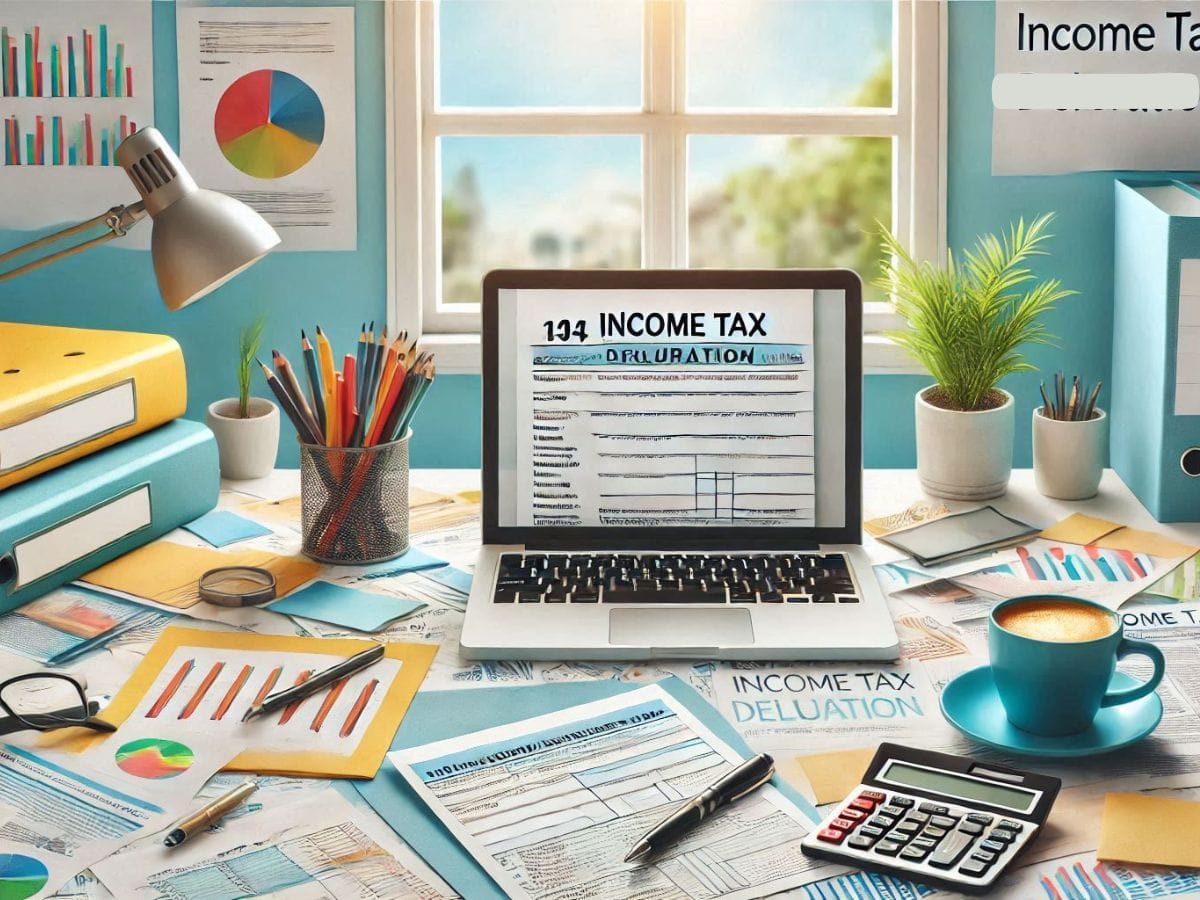
You have to file your income tax declaration IRPF (Impuesto sobre la Renta de las Personas Físicas) in Spain if you have your habitual residence in Spain. That applies when any of the following circumstances occurs.
- Stay in Spain for more than 183 days during the calendar year. Your sporadic absences count, unless you prove your tax residence in another country. In the case of countries or territories thar are tax havens, the Tax Administration may require proof of permanence in that tax haven.
- The core or base of its activities or economic interests is located in Spain, directly or indirectly.
If a natural person is a tax resident in Spain, he or she is liable for Personal Income Tax. Besides, he or she must pay taxes in Spain on his world income. That is, he must declare in Spain the income obtained anywhere in the world. Regardeless the provisions of the Convention to avoid international double taxation signed, you have to file the declaration.
The Step-by-Step Guide
Step 1: The Foundation – Are You a Tax Resident?
This is the very first question. Your tax life in Spain depends entirely on the answer.
- ✅ If you spend more than 183 days in Spain in a calendar year, you are likely a tax resident and must declare your worldwide income.
- ❌ If you spend less than 183 days, you are generally a non-resident and only pay tax on your Spanish-source income (like rental property).
- *Unsure? This post covers the 183-day rule and the “center of vital interests” test.*
➡️
Step 2: The International Layer – Do You Have a Double Taxation Agreement (DTA)?
If you are a tax resident but have income from another country (pensions, rentals, etc.), this step is crucial. A DTA prevents you from being taxed twice on the same money.
- 🤝 Yes, my country has a DTA with Spain: Fantastic! This agreement determines which country has the primary right to tax specific types of income. We’ll use it to claim relief in Spain.
- 🏴☠️ No, my country does not have a DTA with Spain: Don’t worry, you’re not out of luck. Spain’s domestic law provides a “deduction for double taxation” that you can apply.
- Learn how to identify your situation and what method applies to you.
➡️
Step 3: Special Benefits- Are You Over 65?
Spanish tax law offers specific and very beneficial perks for seniors.
- 💰 Reduced Tax Rates: Special lower tax bands and thresholds apply for taxpayers over 65 (and even lower for those over 75).
- 🏡 Exemption on Primary Residence Sale: The capital gains from selling your main home are 100% exempt if you are over 65 and meet certain conditions.
- Discover all the age-related benefits that can significantly reduce your tax bill.
➡️
Step 4: Property Owners – How is Your Real Estate Taxed?
This applies to both residents and non-residents who own property in Spain.
- 🏠 For Residents: You must declare rental income and imputed income (for properties not rented). Capital gains from sales are also taxable.
- 🏢 For Non-Residents: You pay tax on rental income and imputed income, often at a flat rate. A 3% withholding applies on property sales.
- A deep dive into deductions, expenses, tax rates, and declaration forms (Modelo 210, 211, etc.).
➡️
Step 5: Retirement Income – How Are Pensions Taxed?
This is a top concern for retirees. The treatment depends on the DTA and your residency status.
- For Tax Residents: Pensions are generally taxed as general income in IRPF. The DTA will determine if Spain or your home country has the taxing right.
- For Non-Residents: Most pensions from abroad are not taxed in Spain if you are a non-resident (thanks to most DTAs).
- We break down the taxation of state, private, and government pensions.
➡️
Step 6: Investment Income – How Are Dividends and Interest Taxed?
Income from your savings and investments has its own rules.
- For Tax Residents: Dividends and interest are considered “savings income” and are taxed at progressive rates (19%, 21%, 23%). There is an annual exemption for the first €1,500 in dividends.
- For Non-Residents: A flat 19% withholding tax usually applies to dividends and interest from Spanish sources.
- Understand the different tax brackets for savings income and how to declare it.
➡️
Still Have Questions?
You’re Not Alone.
Taxation is personal. While this guide provides a clear roadmap, your specific situation may have unique nuances.
💡 Consider booking a professional consultation to get tailored advice and ensure you are fully compliant while optimizing your tax position.