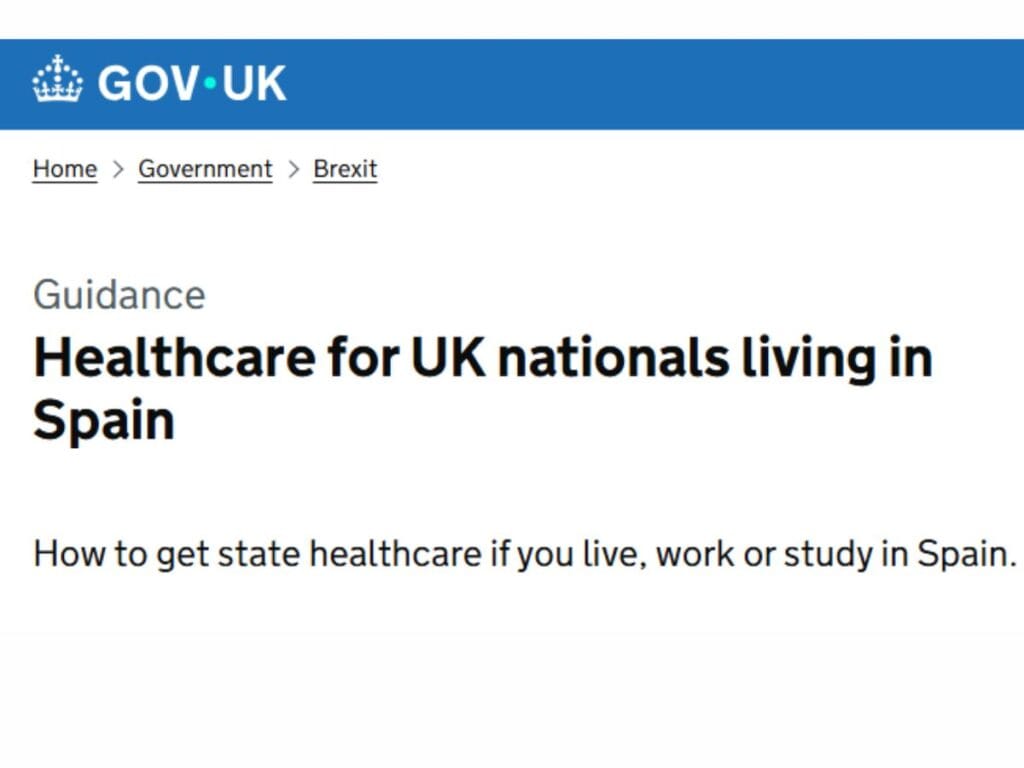

Moving from the USA to Spain: Guide for American Expats
Trading the American dream for the Spanish way of life is an exciting prospect. From the vibrant cities to the serene coastlines, Spain offers a rich culture and a potentially lower cost of living. However, for American citizens, the move involves navigating a unique maze of visa options and, most importantly, a complex tax situation that no other nationality faces.
This guide is tailored specifically for you. We’ll cut through the complexity and give you a clear roadmap, from choosing the right visa to managing your US tax obligations while living abroad.
Step 1: Securing Your Spanish Visa
As an American, you can enter Spain visa-free for 90 days. For a longer stay, you must apply for a visa from the USA before you move. Here are the main pathways:
- The Non-Lucrative Visa: The most common choice for retirees and those with independent means. This visa requires you to prove a stable, passive income (from investments, pensions, etc.) that meets a minimum annual threshold without needing to work in Spain.
- The Digital Nomad Visa: A fantastic option for remote workers and freelancers. It allows you to live in Spain while working for US-based clients or companies. It offers a faster path to permanent residency and comes with a beneficial tax regime for the first four years.
📄 Your Next Read: Choosing the right visa is critical. Our detailed guide, Spain Visa Options for US Citizens: Non-Lucrative vs. Digital Nomad, breaks down the financial requirements, application process, and pros and cons of each.
The #1 Challenge for Americans: Taxes
This is the most critical section for US expats. The United States is one of the few countries that taxes based on citizenship, not just residency. This means you must file a US tax return every year, no matter where you live.
- Spanish Tax Residency: Once you live in Spain for more than 183 days in a year, you become a tax resident. You must file a Spanish tax return (Declaración de la Renta) and pay tax on your worldwide income to Spain.
- The US-Spain Tax Treaty: This treaty is designed to prevent double taxation. It determines which country has the primary right to tax different types of income (like pensions, dividends, or rental income). However, it does not simplify your filing requirements.
- FATCA & FBAR: The Foreign Account Tax Compliance Act (FATCA) means your Spanish bank will report your account info to the IRS. If your foreign financial accounts exceed $10,000 at any point in the year, you must file a FinCEN Form 114 (FBAR). Penalties for non-compliance are severe.
💵 Get Expert Clarity: Navigating this dual-tax system is complex. Our focused article, US Taxes in Spain: A Guide to the Tax Treaty, FATCA, and FBAR, explains these obligations in plain English.
Posts for USA Citizens


Navigating Healthcare in Spain
Spain boasts one of the world’s best public healthcare systems. As a legal resident, you can access it.
- Public Healthcare Access: Once you obtain your residency visa and are registered in your local municipality (empadronamiento), you can sign up for public healthcare. You will receive a health card (tarjeta sanitaria) granting access to doctors and hospitals.
- Private Insurance: Many expats also take out private insurance to cover dental, vision, and to avoid waiting lists for specialists. For some visas, private insurance is a mandatory requirement during the application process.
Building Your New Life in Spain
With the paperwork handled, you can focus on the adventure.
- Finding Your Base: While southern Spain is famous, don’t overlook the diverse and beautiful north. The Basque Country offers world-class food and culture, while regions like Asturias provide stunning green landscapes and a slower pace of life.
- Banking & Finances: Open a Spanish bank account. Be prepared for questions about FATCA from the bank. Inform your US financial institutions of your move to avoid account freezes.
- Cost of Living: Your US dollar may go further, especially outside the most touristy areas. Housing, utilities, and groceries can be significantly cheaper than in many parts of the US.
Frequently Asked Questions (FAQ)
Your Spanish Adventure Awaits
Moving from the USA to Spain is a journey that requires meticulous planning, especially regarding your finances. But the reward—a life filled with rich culture, incredible food, and a healthier work-life balance—is well worth the effort.
Welcome to your new chapter in Spain!