Retiring in Other Locations in Spain?
This page brings together information focused on the best locations across Spain to enjoy life after retire. From vibrant cities to peaceful coastal towns, these videos will help you explore where and how to make the most of retirement.
Some of the content comes directly from our People 60+ channel, where we share tips, advice, and stories tailored for seniors. Others are part of our dedicated series on living in Spain. So you’ll find both practical guidance and inspiring perspectives.
In our Northern Spain section we present locations out of the beaten track for those who choose a milder weather and high quality of life.
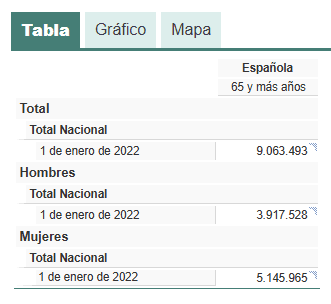
As for 2022 there were 9.063.493 Spanish people over 65 year-old (3.917.528 men, 5.145.965 women).
According to estimation of the Spanish National Statistics Institute (INE), life expectancy at birth in the country in 2023 was 83.77 years (81.11 years for male and 86.34 years for female).
Spaniards Retirees by the Seaside
Approximately 3 million Spanish households (about 11.5% of the total number of homes) had a second home in 2024, and of these, 65% chose the coast, which means around 2 million households.
Whether you’re looking for an active social life or a quiet, relaxed retirement, Spain’s expat communities make it easier to feel at home. Other locations to retire in Spain also include being in less known location with a more genuine Spanish environment.
Coastal Tourism in Spain
Spanish coastal tourism began with 19th-century elite sea-bathing and expanded with the 1960s “mass tourism” boom, transforming the economy through large-scale infrastructure and the “sun and sea” model. While early development focused on privileged northern coastal areas, the Mediterranean became a major destination by the 1950s, with regions like Costa Blanca and Costa Brava seeing massive growth driven by foreign tourists seeking cheap holidays. Today, Spain remains a global leader in coastal tourism, though research now focuses on sustainable management of water resources and the ecological impacts of this development.
Early Development (Mid-19th Century – Early 20th Century)
- Elite Origins: Sea bathing for health and leisure became fashionable in Spain by the 1830s, similar to Europe.
- Northern Enclaves: The Cantabrian Cornice in northern Spain developed as an exclusive elite tourist area in the early 20th century, attracting the Spanish royalty, wealthy locals, and foreigners with activities like yachting and horse-racing, according to the Universidad de Alicante and Taylor & Francis Online.
The Mass Tourism Boom (1960s – Present)
- Infrastructure & “Developmentalism”: The 1960s saw a significant tourism development boom, driven by large-scale infrastructure projects and a policy of “developmentalism” that transformed the economy.
- “Sun and Sea” Model: This era ushered in mass tourism, with the “sun, sand, and sangría” model attracting large numbers of foreign tourists, particularly from Northern Europe.
- Costas Emerge: Regions like Costa Blanca, Costa Brava, and other “Costas” became highly developed resorts, with Spain solidifying its position as a leading “sun and sea” tourist destination.
- Societal Impact: Tourism generated significant revenues and improved living standards but also led to negative impacts in over-reliant areas.
Building Far from Pirates
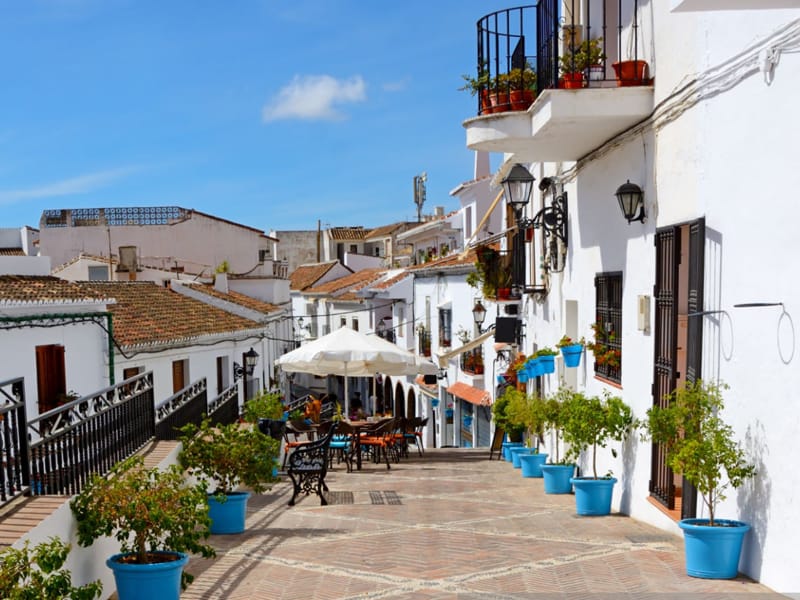
Coastal cities were often built inland for defense against naval invasions, better access to agricultural land, strategically important trade routes, and to avoid flood-prone low-lying areas near the coast.
These factors, combined with the need for fresh water, resources, and manageable terrain, influenced early settlement patterns away from the immediate shoreline.
Example: Mijas Pueblo (town) is the historic mountain town of the municipality of Mijas, located about 16 km from Mijas Costa (coast).